
Frequently Asked Questions
Clear answers about electric fencing, compliance, safety, monitoring, maintenance and repairs.
Clear answers about electric fencing, compliance, safety, monitoring, maintenance and repairs.
If you're comparing security options or you’ve already got a fence installed, these are the questions we hear most often. If you’d like a technician to assess your site and advise on the best approach (installation, compliance, repairs or upgrades), we can help.
Service areas: Western Cape (including Cape Town) and Gauteng.
An electric fence provides one of the most effective forms of perimeter security available. Below are the key benefits of a Shockoloza electric fence system:
Most perimeter security requirements can be effectively addressed using an electric fence. You should strongly consider electrified fencing if:
In South Africa, electrified fencing is regulated under SANS 10222-3:2023, which sets out essential safety and compliance requirements.
Shockoloza is a registered and approved electric fence installer and operates in full compliance with SANS requirements.
Professionally designed and installed electric fences are difficult to bypass. However, effectiveness depends on proper design, installation, and maintenance.
The lifespan of an electric fence depends on several factors:
If you’re in a coastal area, corrosion-resistant materials and scheduled servicing make a measurable difference.
Yes. Many modern energisers offer remote monitoring and control functionality. When selecting a system, consider:
In most cases, no. South African law allows property owners to protect their private property. Provided the fence is installed within the property boundary and complies with SANS regulations, it may be installed even if a neighbour objects.
Where disputes arise, it is advisable to consult a professional installer such as Shockoloza for guidance on legal and practical limitations.
Yes. An electric fence is an excellent first line of defence. For maximum effectiveness, it should ideally form part of a layered security approach that includes lighting, CCTV, sensors, beams, and alarm systems.
The price depends on the perimeter length, number of wires, wall or fence condition, access points, energiser capacity and required alarm or monitoring connections. Coastal-grade materials and any compliance repairs can also affect the quote. A site assessment is the best way to obtain an accurate itemised price rather than relying on a generic cost per metre.
An Electric Fence System Certificate of Compliance is generally required when a property with an electric fence is transferred, subject to the applicable South African regulations and the installation history. This is separate from the normal electrical Certificate of Compliance. Have a registered electric fence system installer inspect the installation and advise whether remedial work or a new certificate is required before transfer.
Many electric fence energisers use a backup battery to keep operating when mains electricity fails. Actual running time depends on the battery condition, energiser, fence load and connected equipment. Test the backup regularly, especially before extended power interruptions, and ask for a battery assessment if the fence switches off unexpectedly.
Common causes include vegetation touching live wires, loose or corroded connections, damaged insulators, moisture-related leakage, faulty gate contacts and low battery voltage. Do not touch or attempt to repair live wires. Note when alarms occur, check the energiser display without opening it, and arrange professional fault finding if the problem continues.
Inspection frequency depends on the site, nearby vegetation, weather exposure and how critical the security system is. Regularly check that warning signs are visible and vegetation is kept clear without approaching energised wires. Professional servicing should include testing voltage, earthing, alarm operation, battery health, insulators and connections. Coastal and high-risk sites may need more frequent attention.
Often yes, provided the supporting structure is sound and the proposed brackets, height, clearances and access points can meet the applicable safety requirements. Existing walls, gates and palisade fencing may need alterations before installation. A site inspection establishes a compliant design and whether any repairs are needed first.
A properly designed and monitored system can detect certain wire cuts, shorts and other changes and trigger an alarm. Detection depends on the wiring arrangement, energiser settings, functioning equipment and monitoring connections; no fence can guarantee every intrusion is detected. Ask about alarm testing and integration with your existing security response.
Salt-laden air in coastal Western Cape locations can accelerate corrosion of wires, brackets, fasteners and connectors. Material selection should take exposure, compatibility between metals and long-term maintenance into account. Ask the installer which corrosion-resistant components are specified, what warranty applies and how often the system should be inspected.
Installation time depends on the perimeter size, site access, the condition of existing walls, the number of gates and whether power, alarm integration or structural repairs are required. Smaller, straightforward installations may be completed faster than complex commercial sites. Shockoloza can estimate the schedule after assessing the property and agreeing the work involved.
Many energisers provide alarm outputs or compatible interfaces that can be connected to certain alarm panels and monitoring equipment. Compatibility depends on the brands, wiring and configuration already on site. A technician should check the existing equipment and test the full alert pathway, including what happens when mains or communications power fails.
Still not sure what you need? We’ll point you in the right direction and recommend the best next step.
Book a Free AssessmentWe assess your property layout, risks, and compliance requirements to determine the most effective electrified fencing solution.
Our specialists design a compliant, non-lethal electric fence system, selecting the correct energiser, layout, and integration options.
Shockoloza's experienced teams install the system neatly and securely, ensuring full compliance with SANS standards.
We test the fence, issue the required Certificate of Compliance, and provide ongoing monitoring and maintenance support.
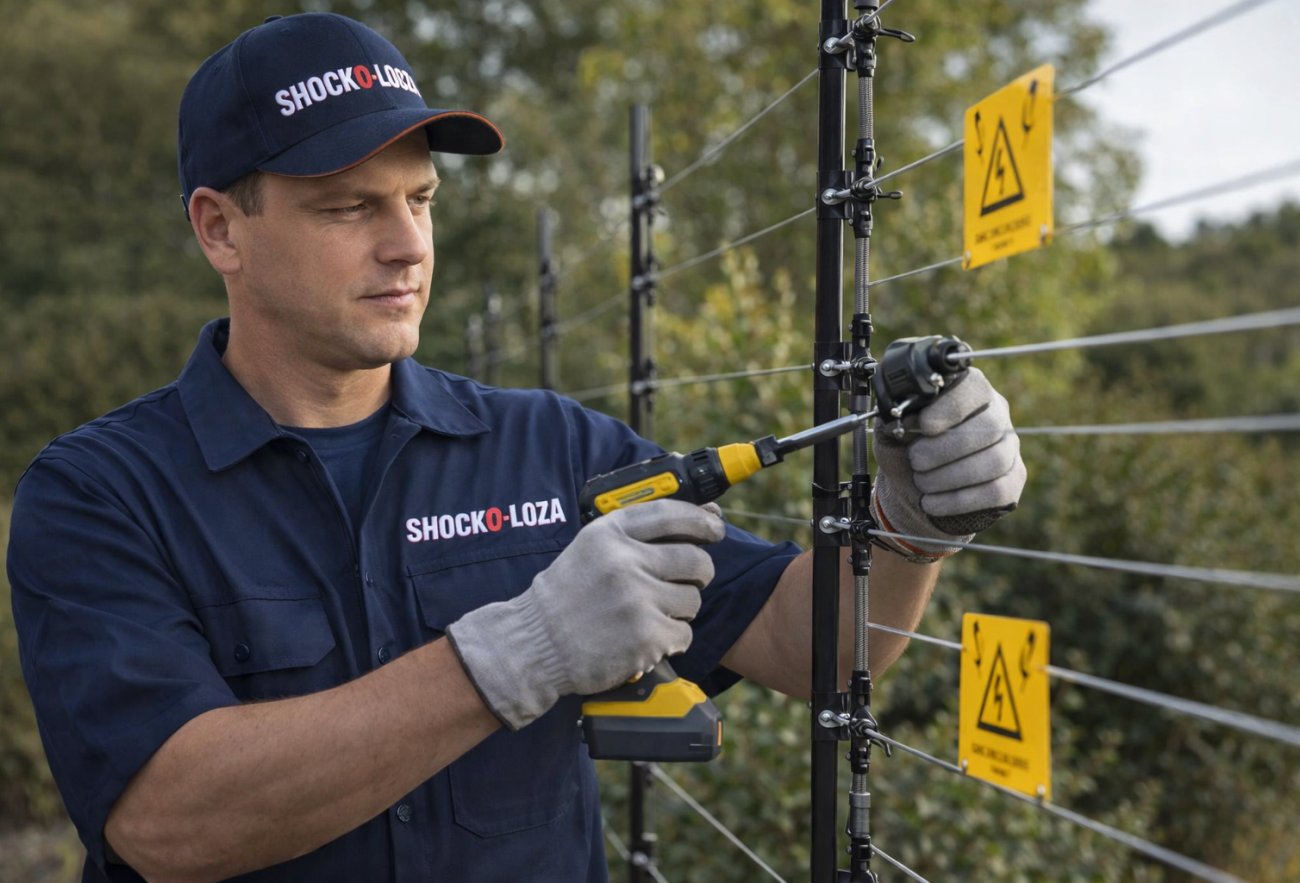
Shockoloza delivers professionally designed, installed, and maintained electrified fencing systems for residential, commercial, and industrial properties. Our solutions are compliant, non-lethal, and highly effective—providing a powerful deterrent, early intrusion detection, and round-the-clock perimeter protection.
Trusted electrified fencing — designed for deterrence, built for compliance, and maintained for long-term performance.
Registered, standards-aligned installations with the right guidance and certification support.
Neat, secure workmanship that strengthens your perimeter without unnecessary clutter.
Fast fault isolation and repairs to restore voltage, reliability, and tamper detection.
Prevent false alarms, vegetation issues, and performance drop-offs with scheduled servicing.
Integrate with alarms, beams, CCTV, and monitoring so you're alerted at the perimeter.
Shockoloza works with leading manufacturers and suppliers to ensure quality, compliance, and long-term reliability in every installation.