Specialists in Compliant Electrified Fencing
Expert installation, maintenance, and certification you can rely on.
Expert installation, maintenance, and certification you can rely on.
In terms of Regulation 12 of the Electric Machinery Regulations of 2011, all electrified fences are required by law to be compliant. Homeowners must be issued with a valid Certificate of Compliance (COC), which must be available for inspection when requested.
Shockoloza is registered to issue Electric Fence Certificates of Compliance. We are also able to inspect existing electric fences and advise homeowners on any corrective actions required to ensure full compliance.
You require a Certificate of Compliance if:
In accordance with SANS 10222-3:2012, a general monthly inspection is required, along with a more detailed inspection every three months.
All electric fences must comply with South African regulations and require a valid Certificate of Compliance (COC).
If you are unsure about the legal requirements, please see our
electric fence compliance FAQs
for clear answers.
If you require an inspection or Certificate of Compliance, you can
request a compliance quote here,
and one of our technicians will contact you shortly.
Western Cape Compliance Certificates
Cape Town Compliance CertificatesIf your electric fence needs to be compliant (and a certificate is required), we follow a clear step-by-step process so there are no surprises.
We confirm the perimeter layout, access points (gates, walkways), and what you want to protect. We also check what's already installed (if any) and what's causing issues.
We verify the key compliance items typically required for safe, correct installation:
If anything is non-compliant or unreliable, we recommend the fixes and provide options (standard vs upgraded). You decide what to proceed with before we do the work.
We test the fence for proper operation and reliability, confirm zones (if applicable), and show you how to use the energiser and basic fault checks. If monitoring/integration is included, we verify signals.
Once everything meets the required standard, the compliance paperwork can be completed. Keep it on record for property transfers, insurance queries, and peace of mind.
Send your address, a few photos of the perimeter and gates, and tell us whether it's a new installation or an existing fence that needs inspection/fixes.
Tip: If you have existing paperwork, include any previous certificate details and the energiser model.
We assess your property layout, risks, and compliance requirements to determine the most effective electrified fencing solution.
Our specialists design a compliant, non-lethal electric fence system, selecting the correct energiser, layout, and integration options.
Shockoloza’s experienced teams install the system neatly and securely, ensuring full compliance with SANS standards.
We test the fence, issue the required Certificate of Compliance, and provide ongoing monitoring and maintenance support.
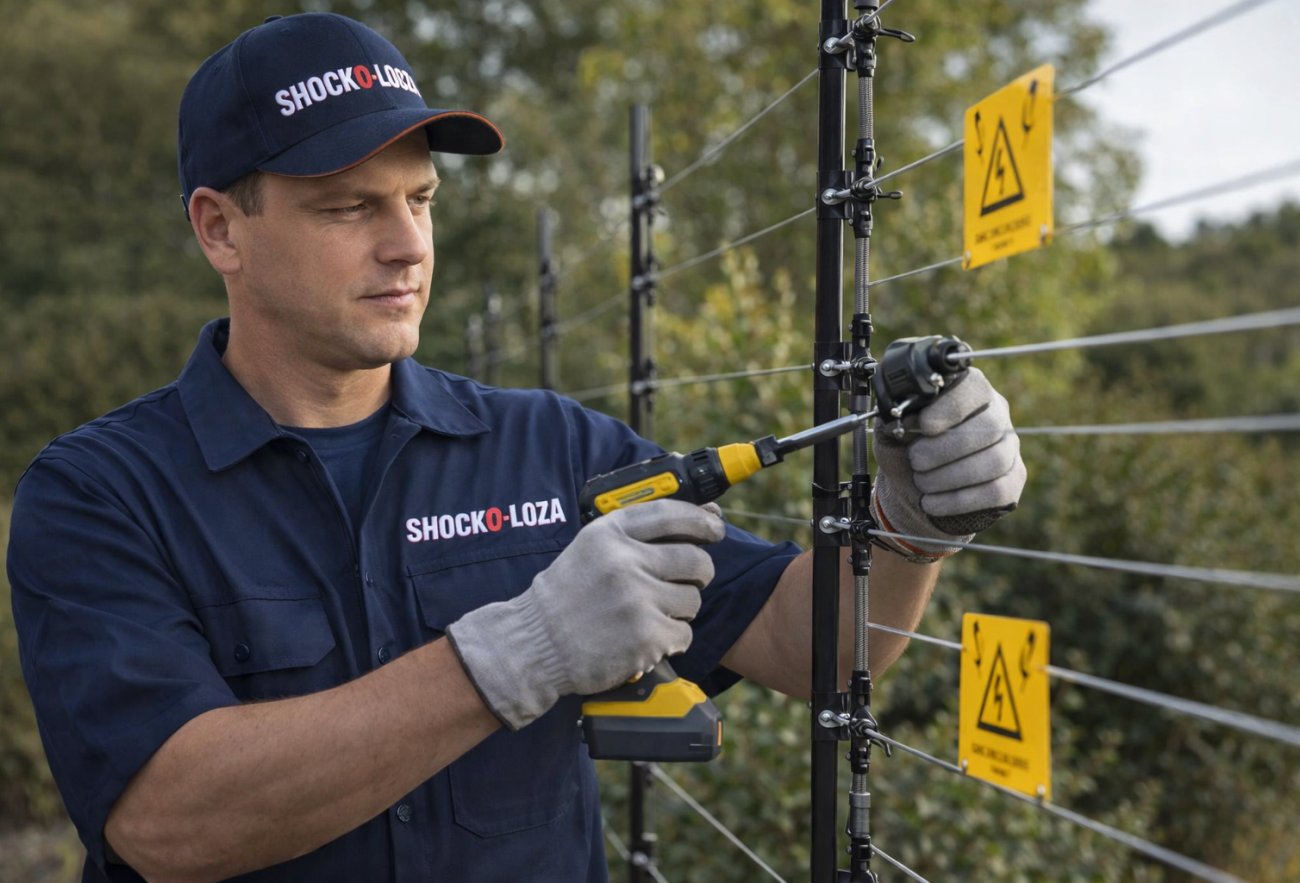
Shockoloza delivers professionally designed, installed, and maintained electrified fencing systems for residential, commercial, and industrial properties. Our solutions are compliant, non-lethal, and highly effective—providing a powerful deterrent, early intrusion detection, and round-the-clock perimeter protection. From new installations to upgrades, monitoring, and ongoing maintenance, we offer an integrated security solution you can rely on.
Trusted electrified fencing across — designed for deterrence, built for compliance, and maintained for long-term performance.
Registered, standards-aligned installations with the right guidance and certification support.
Neat, secure workmanship that strengthens your perimeter without unnecessary clutter.
Fast fault isolation and repairs to restore voltage, reliability, and tamper detection.
Prevent false alarms, vegetation issues, and performance drop-offs with scheduled servicing.
Integrate with alarms, beams, CCTV, and monitoring so you’re alerted at the perimeter.
Shockoloza works with leading manufacturers and suppliers to ensure quality, compliance, and long-term reliability in every installation.